Reference piece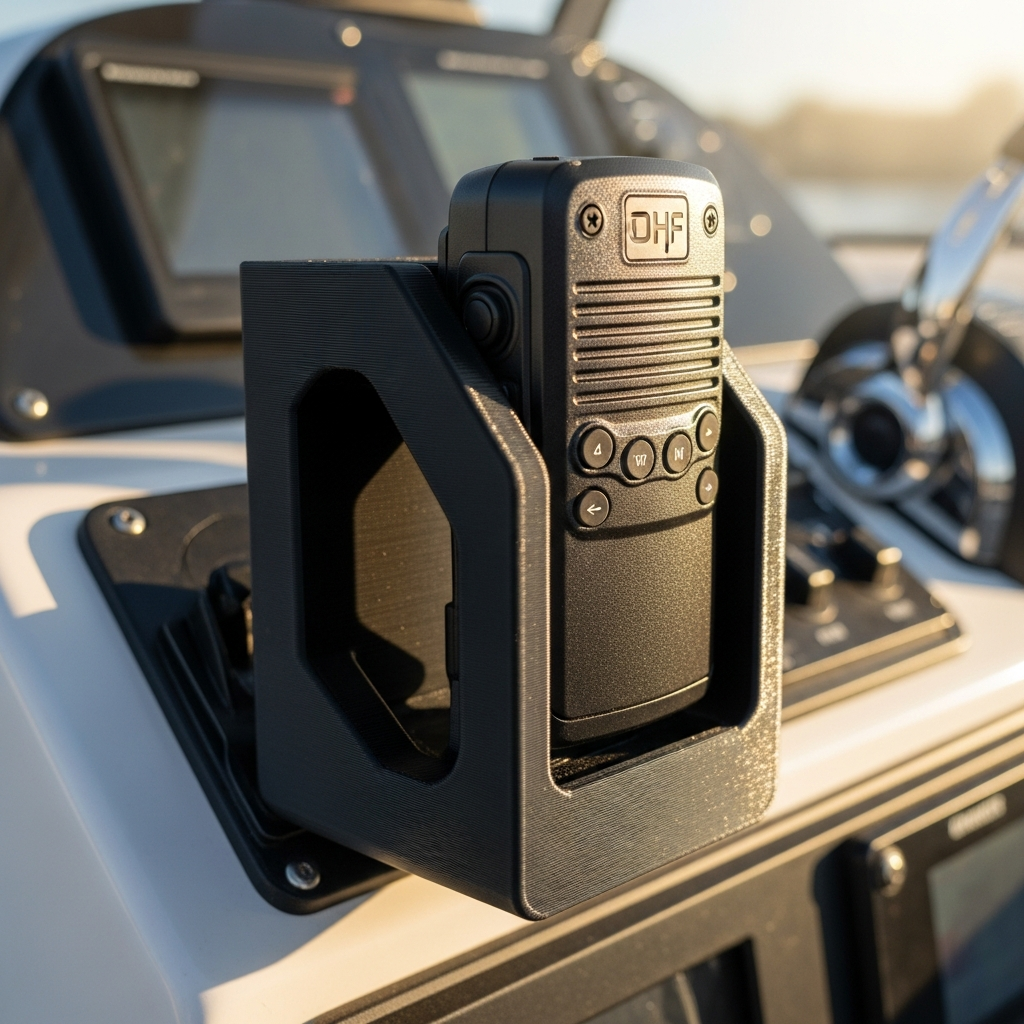
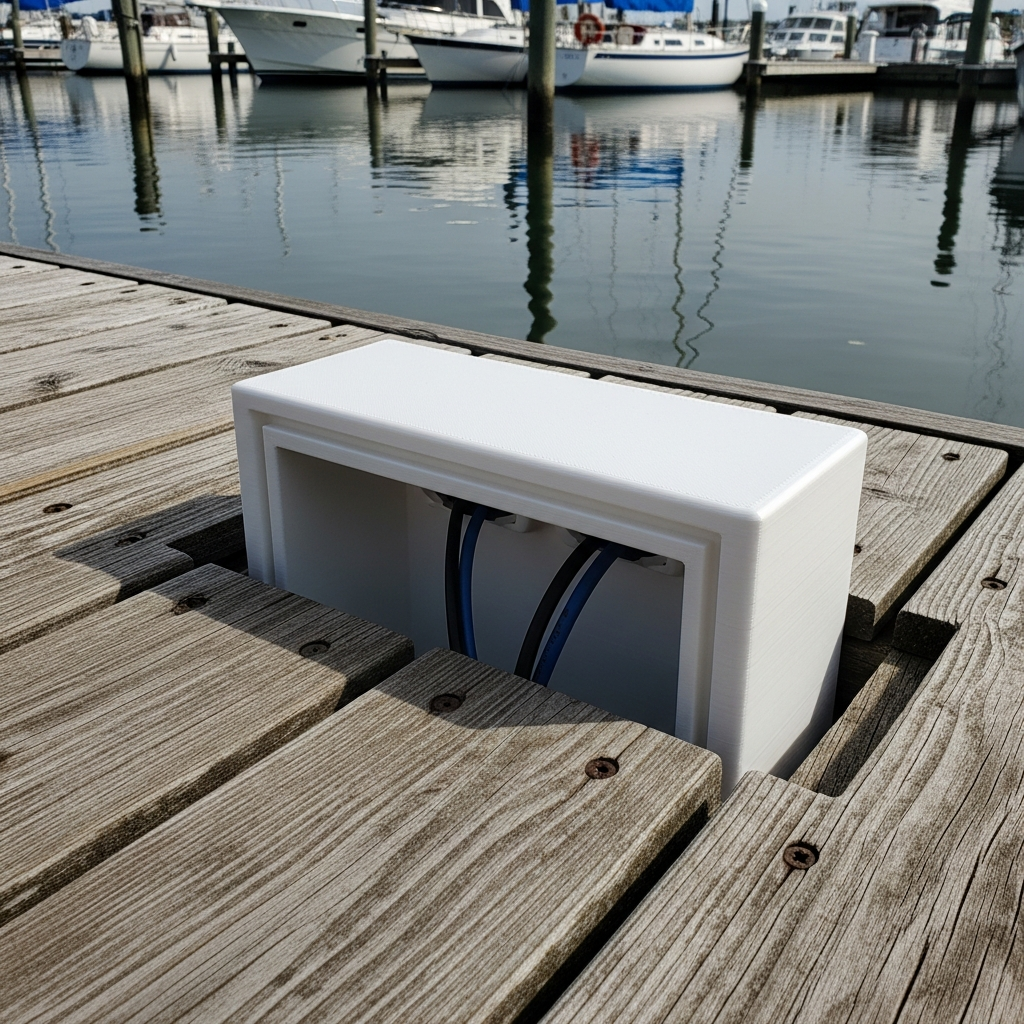
Helm-mount VHF holster.
A sheltered helm fitting. PETG gives a structural fit that takes modest UV without going brittle.
MarinePETG
take-two is a young studio, and this page says so plainly. It holds the client jobs we have delivered: a set of four pendant lamps for Alegria Vadia, a restaurant in Cascais, and a custom TFT dash cover for a Moto Guzzi Stelvio. Alongside them sits a set of reference pieces. A reference piece shows how we would approach a part: the shape reconstructed, and the material we would specify for the real job. It is not a client job, and we will not dress one up as one. The pieces are there to show the part worth judging: how a shape is rebuilt, and which material it ends up in. More client jobs will follow. When they do, they will appear here with a name and a photograph.
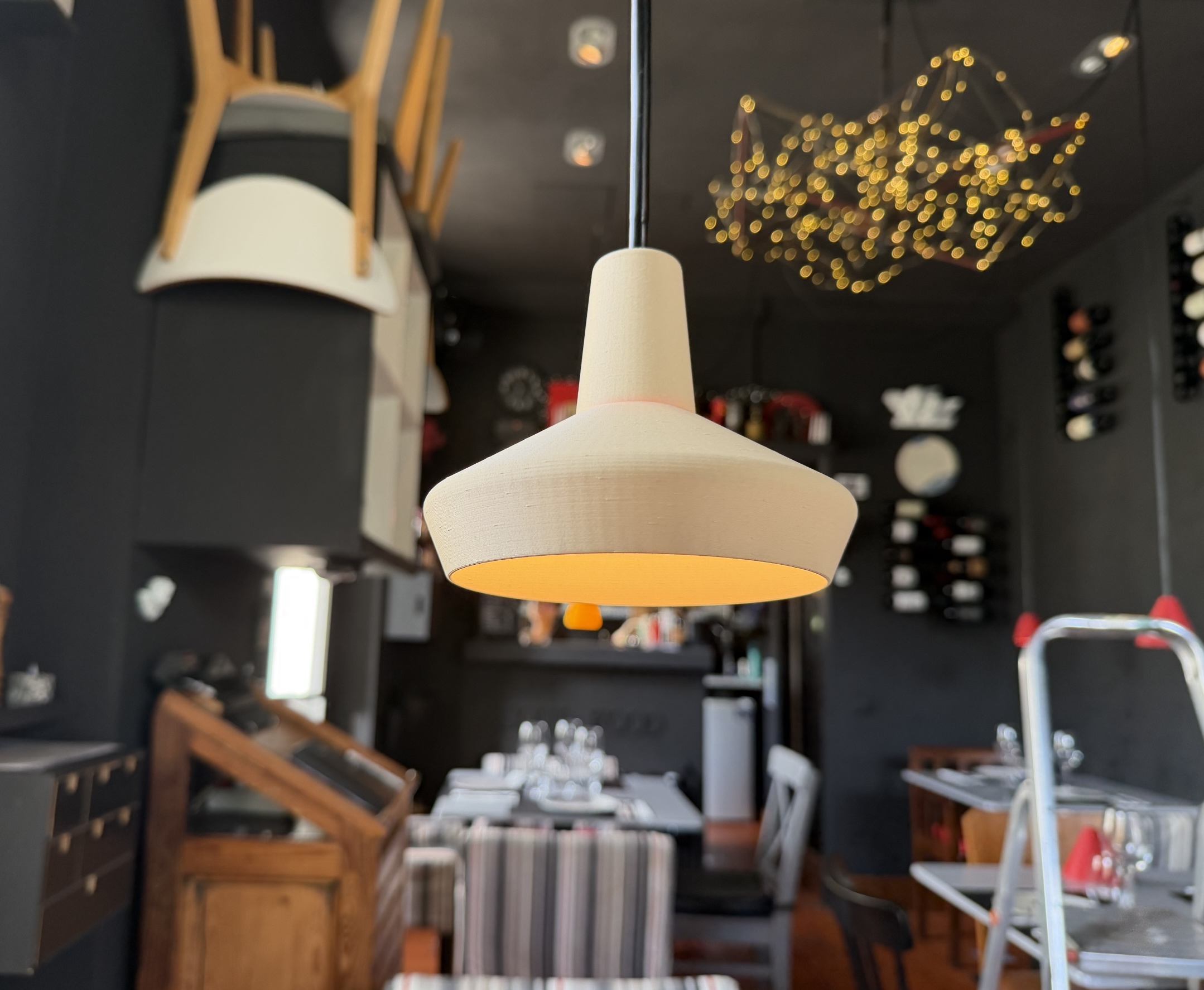
Alegria Vadia, a restaurant in Cascais, commissioned a set of four pendant lamps for its interior. Each lamp was modelled in CAD, printed in PLA, then sanded and painted by hand before installation, where the set hangs today.
Read the case study →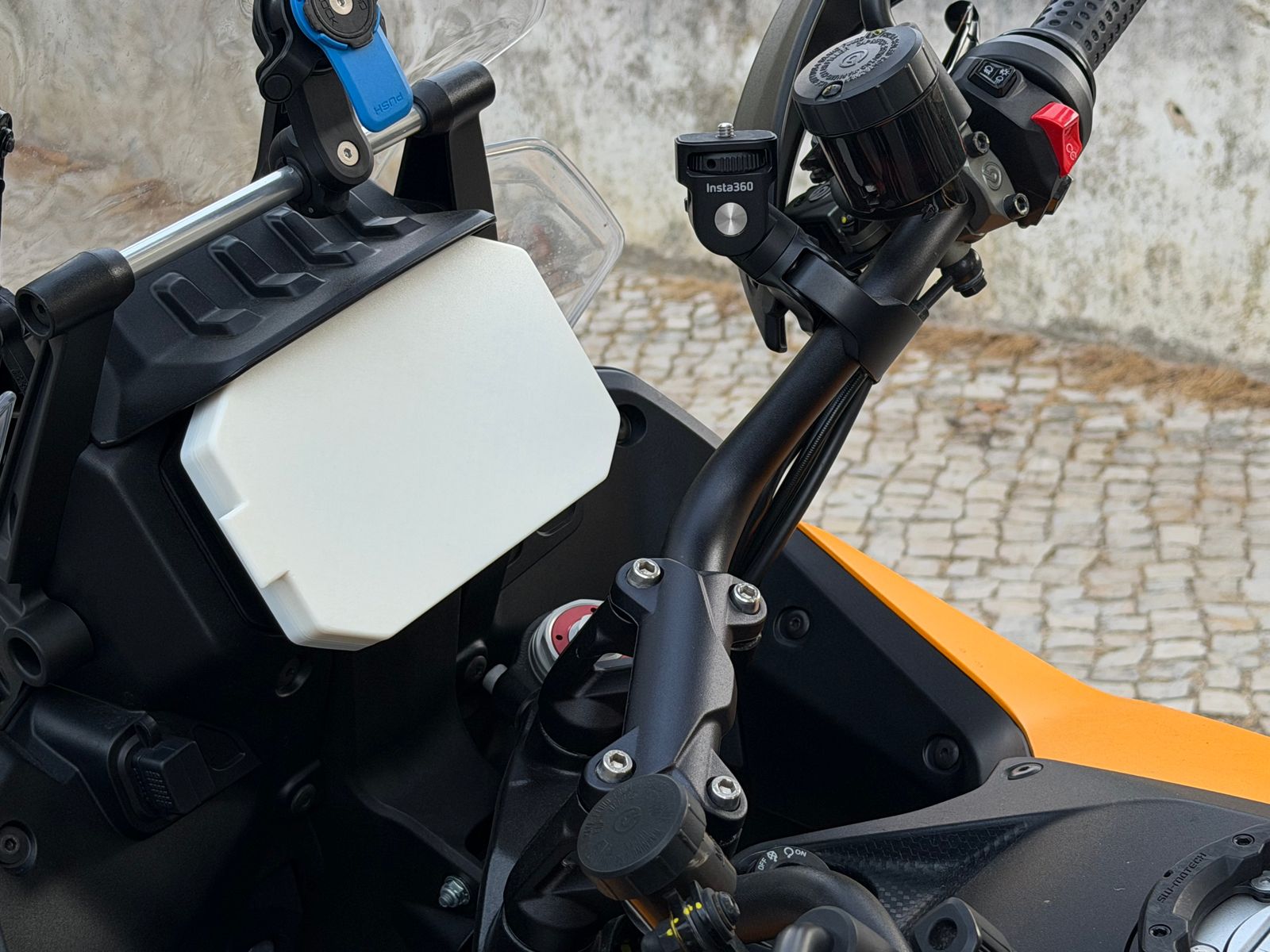
A Stelvio owner wanted the bike's 12.7 cm TFT dash covered while it sits parked in the sun, and nothing on the market fitted. We measured the screen surround on the bike and made a vented ASA shell with a bonded TPU 85A seal. It grips the surround, clears the glass, and lifts off by hand.
Read the case study →Everything below is a reference piece, shown to demonstrate the kind of part we make and the material we would specify for it. None of these is a client job, and none is shown as one.
A sheltered helm fitting. PETG gives a structural fit that takes modest UV without going brittle.
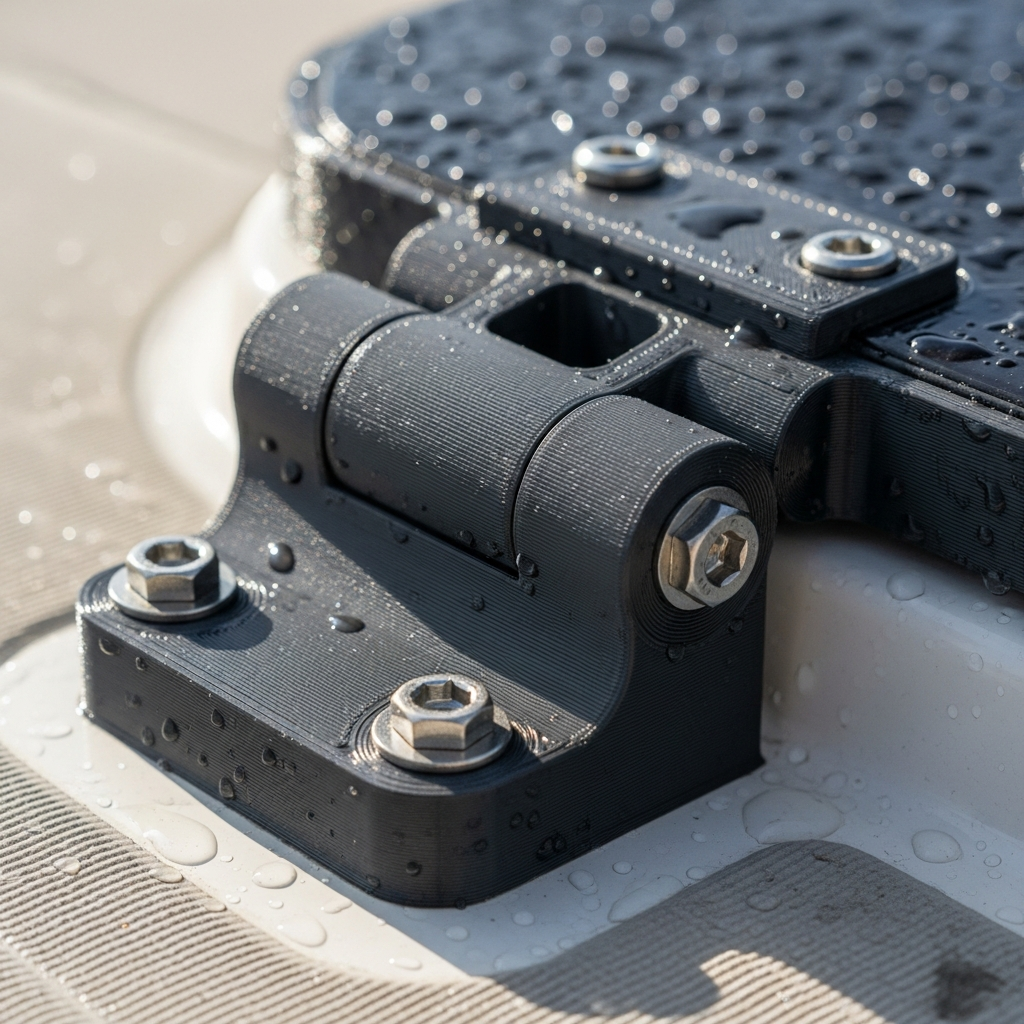
A moving fit, rebuilt around its pin and its mounting holes rather than traced off the worn original.
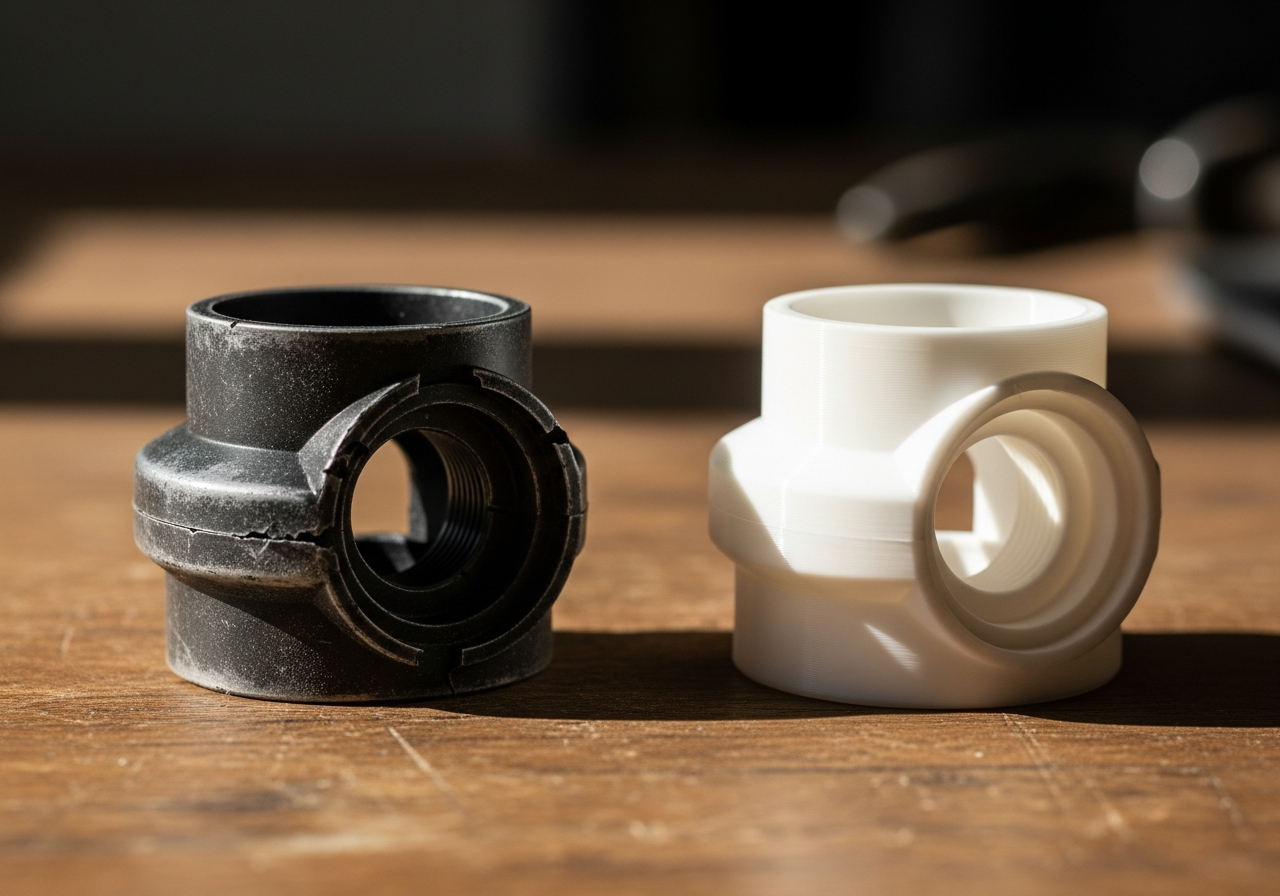
A cover that has to close a hole someone else drilled. The scan supplies the hole, not a catalogue size.
Deck level and sun-exposed, so ASA. It stays stable in UV where PLA would chalk and fail inside a season.
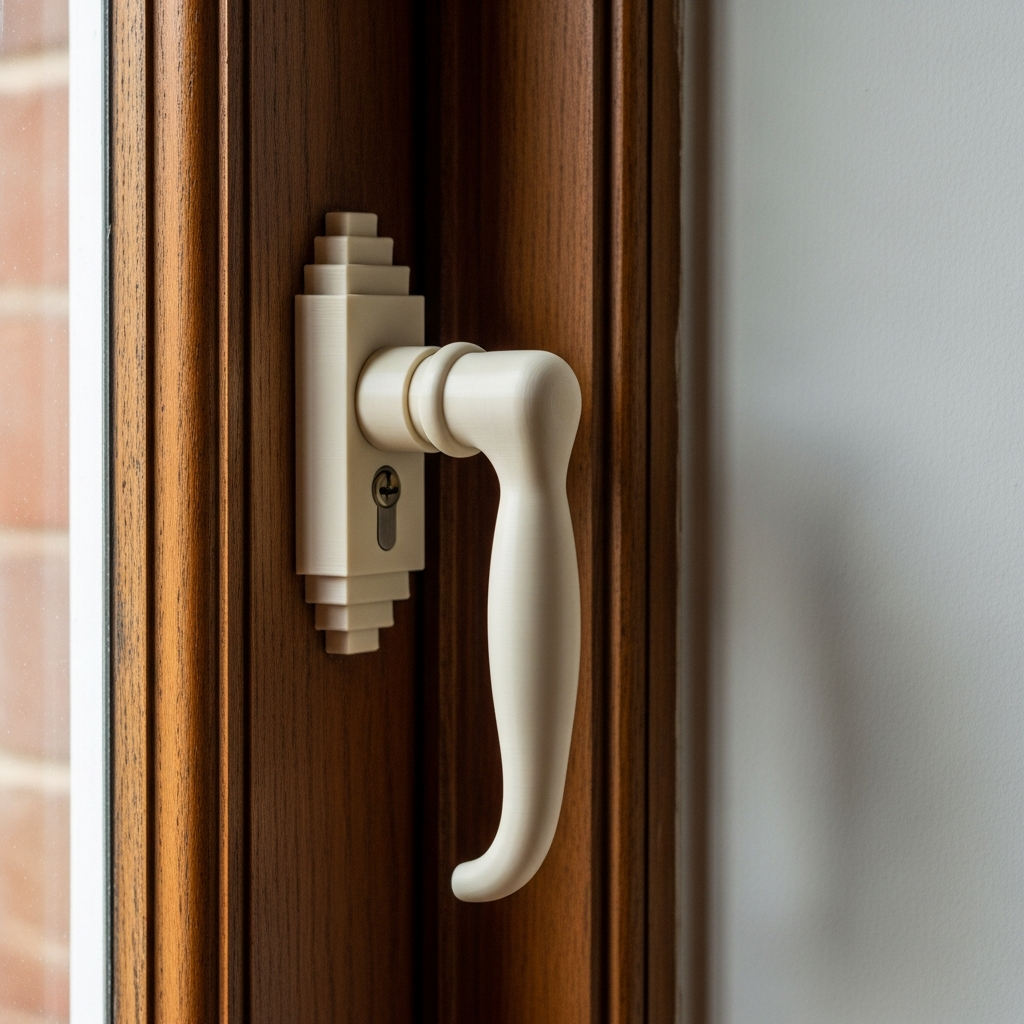
An indoor visual replica in PLA, matched to the original profile so one broken handle doesn't mean replacing every window.
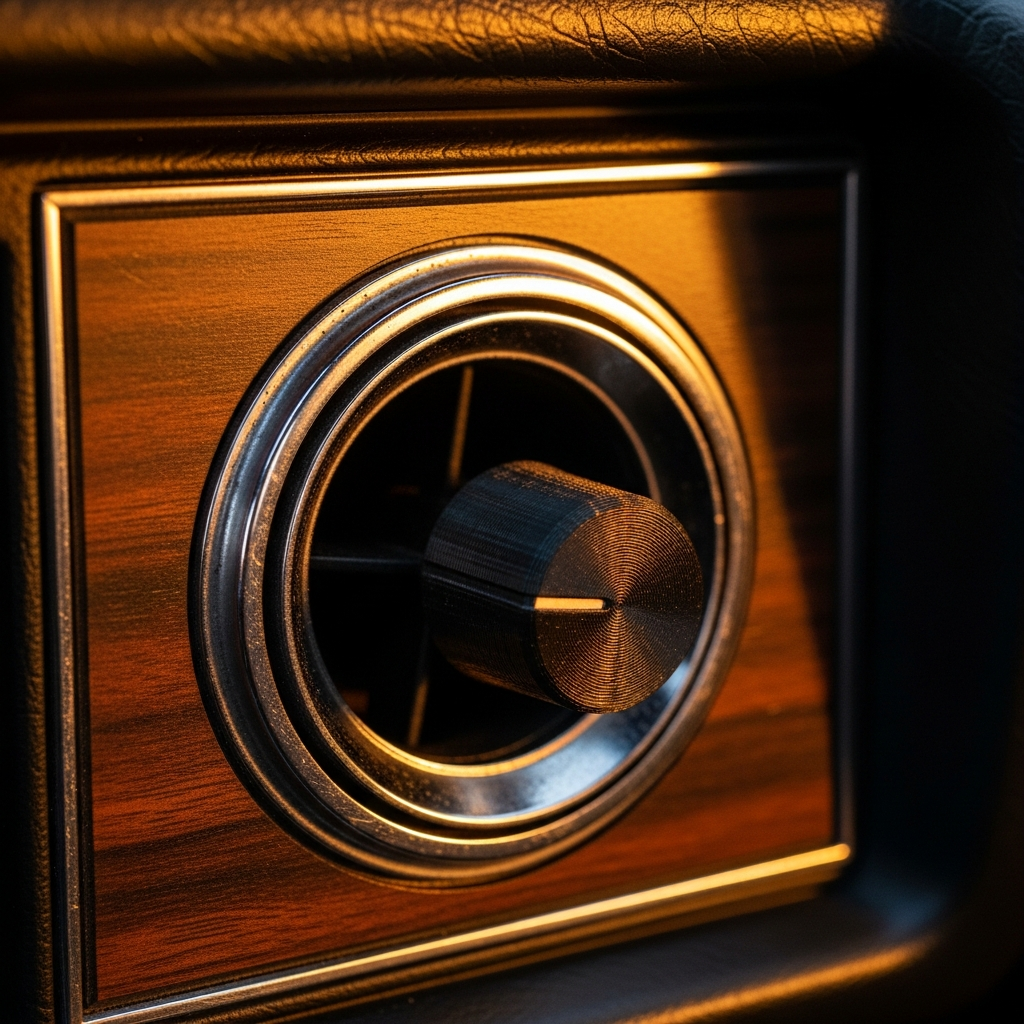
Behind glass, cabin heat and direct sun would soften PLA, so ASA.
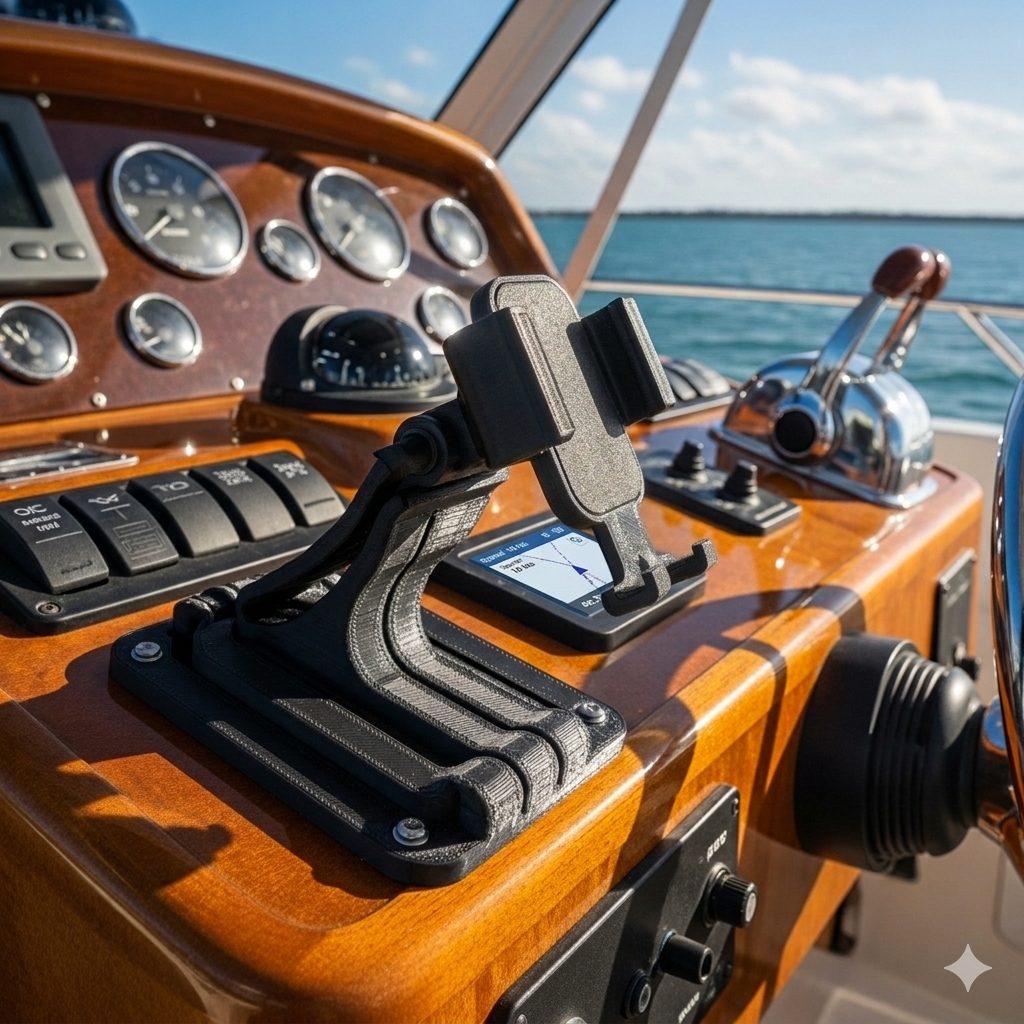
Printed in TPU, so the mount flexes with the console instead of cracking at the bolt holes.
When a job is finished and the client is happy to be named, it gets a page like the lamps: the photo that started it, the scan or the measurements it came from, the CAD reconstruction, the material and the reason for it, and how the part sat when it went in. Most parts take three to seven days from the first photo to the finished piece, and the page is the record of that week.
Nothing goes up without the client's agreement, and the studio is young, so this page will grow slowly. That suits us. A short page of work we can stand behind is worth more than a long one we cannot.
Send a photo on WhatsApp. We'll say whether we can make it, and we'll say when 3D printing is the wrong answer for your part. Engineering a new part starts at €120, quoted after we've seen it. Parts we have already engineered carry a fixed price.